Welcome to chrohno
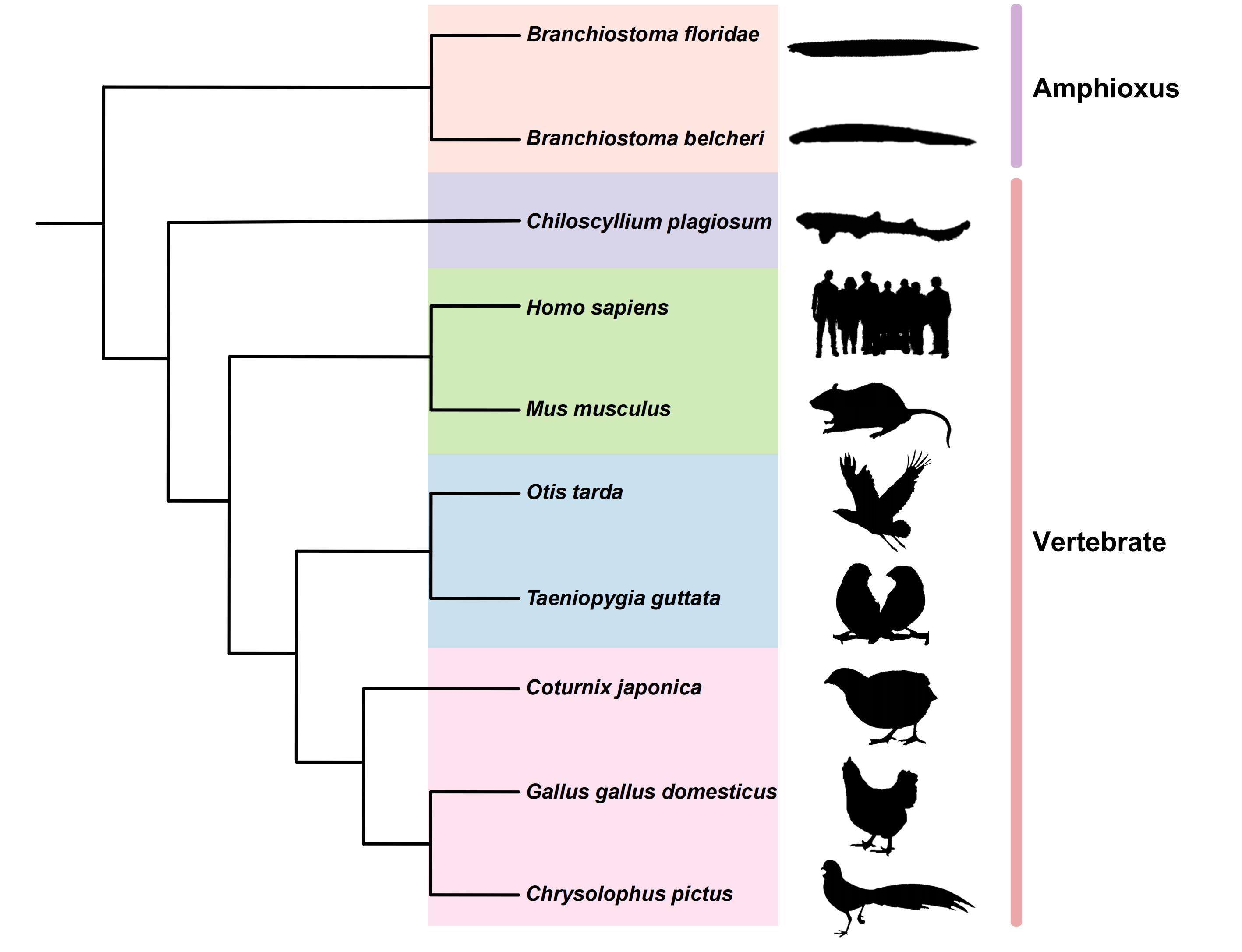
Chrohno is a brand-new database for exploring homologous genes of two species of amphioxus and eight species of vertebrates. It provided species orthologous genes and complete chicken genome ohnologs data constructed by the homologous chromosome method (Huang et al., 2023). The genomes of all selected species in this database were assembled by high-quality sequencing technology, and the selected vertebrates have undergone two rounds of whole genome duplication (2R WGD). You can use and download data such as orthologous genes, ohnologs, gene sequences, and gene trees of species in this database.
- Great bustard
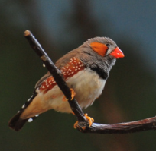
(Otis tarda) - Zebra finch
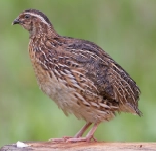
(Taeniopygia guttata) - Quail
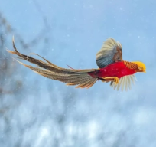
(Coturnix japonica) - Golden pheasant
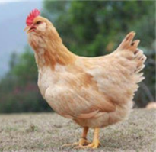
(Chrysolophus pictus) - Chicken
(Gallus gallus domesticus) - Bf
(Branchiostoma floridae) - Bb
(Branchiostoma belcheri) - Mouse
(Mus musculus) - Human
(Homo sapiens) - bamboo shark
(Chiloscyllium plagiosum)
|
|
 |
|
 |
|
 |
|
 |
|||
|
|
 |
|
 |
|
 |
|
 |
|||
|
|
 |
|
 |
Introuction
Whole genome duplication is considered a key driving force in biological evolution. By increasing the number of gene copies, it provides additional space for gene variation and evolution, aiding species in adapting to environments and developing new traits.
|
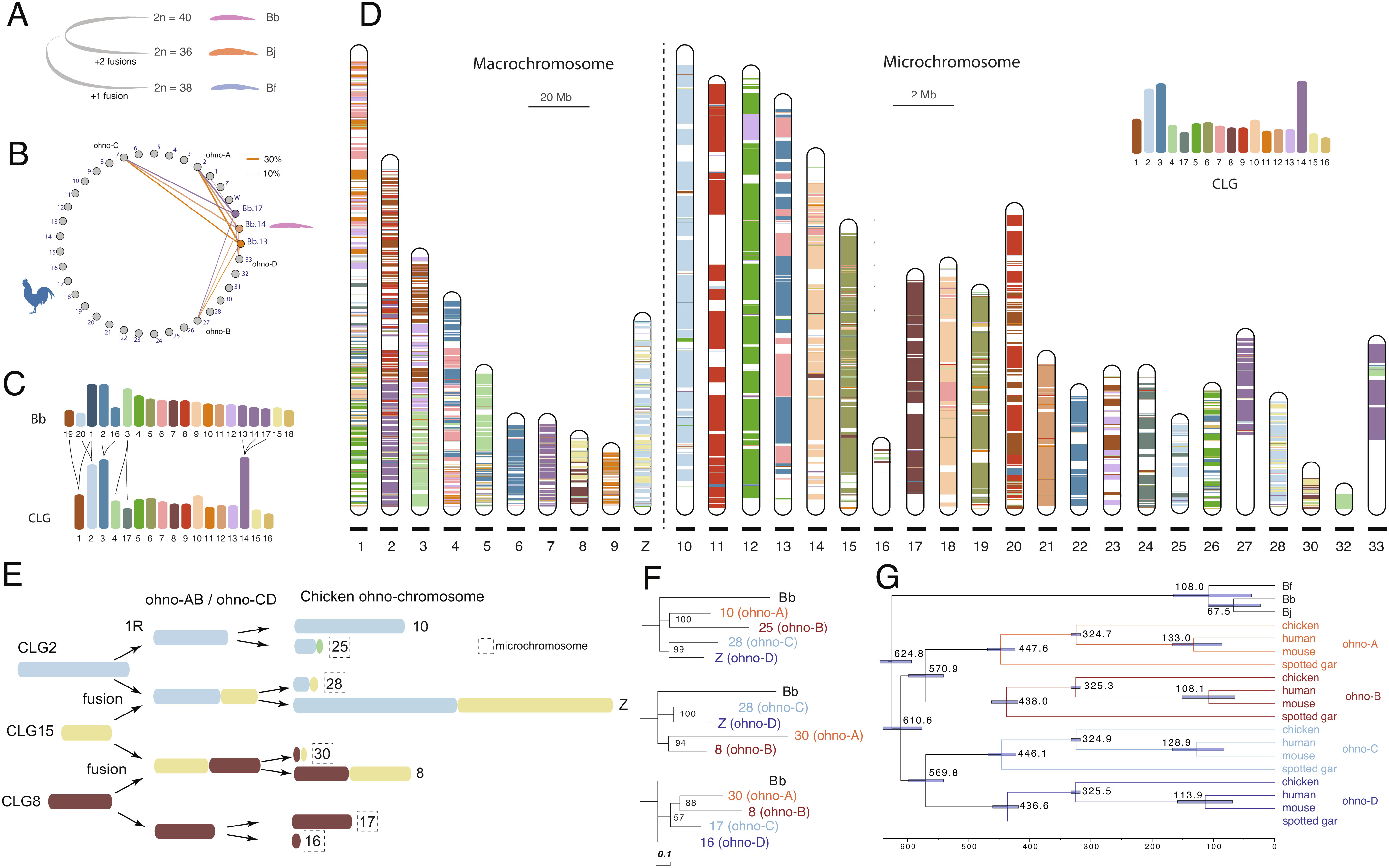
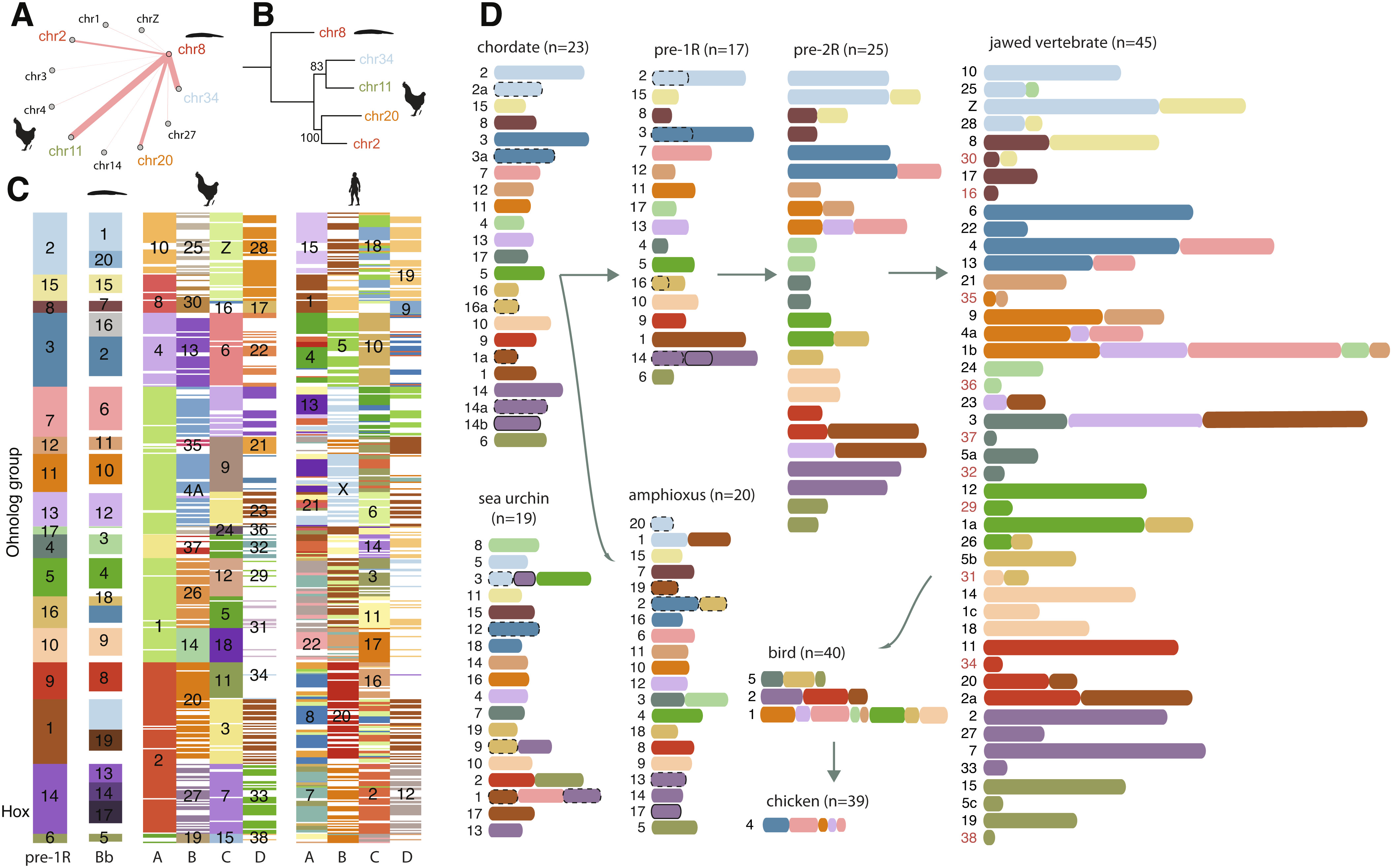
Research on Whole Genome Duplication in vertebrates, especially in Homo sapiens, has been extensive. Ohnologs occupy a considerable proportion of the human genome, ranging from 20% to 35%. They play key roles in development, signaling and gene regulation. What's more, Ohnologs are tightly associated with dominant deleterious mutations associated with various cancers and genetic diseases. However, current information on vertebrate Ohnologs is mainly based on older genome data, which results in incomplete data for some species. To make up for this shortcoming, building a new Ohnologs database is particularly important. As a widely studied bird, the study of the chicken genome is of great significance to understanding the evolution of vertebrates. Recently, the successful assembly of the complete chicken genome has provided valuable resources for the identification of ohnologs. Against this background, we created a database called Chrohno. Using the homologous chromosome method, we comprehensively characterized the Ohnologs in the complete genome of chicken, and collected high-quality genome data of some vertebrates, and further explored their Ohnologs by using their orthologous relationship with chicken, which helped for our more comprehensive understanding of the evolutionary mechanisms and history of vertebrates.
|
Ohnologs are gene copies produced through whole genome duplication (WGD) events. The term originates from the geneticist Susumu Ohno, who first proposed the concept of whole genome duplication. The retention of ohnologs are pivotal for species adaptation and diversification, as they facilitate the emergence of new gene functions, greatly increasing biodiversity and complexity, which is of great significance for gene function and evolutionary research.
- Huang Z, Xu Z, Bai H, et al. Evolutionary analysis of a complete chicken genome. Proc Natl Acad Sci USA. Full text
- Singh PP, Arora J & Isambert H. (2015) Identification of ohnolog genes originating from whole genome duplication in early vertebrates, based on synteny comparison across multiple genomes. PLOS Computational Biology. 11(7):e1004394. Full text
- Singh PP, Affeldt S, Cascone I, Selimoglu R, Camonis J & Isambert H. (2012) On the expansion of "dangerous" gene repertoires by whole-genome duplications in early vertebrates. Cell Reports. 2(5):1387-98. Full text
- Singh PP, Affeldt S, Malaguti G & Isambert H. (2014) Human Dominant Disease Genes are Enriched in Paralogs Originating from Whole Genome Duplication. PLOS Computational Biology. 10(7):e1003754. Full text
- Ohno S, Wolf U, Atkin N B. Evolution from fish to mammals by gene duplication. Hereditas. 1968, 59(1): 169-187.
References